
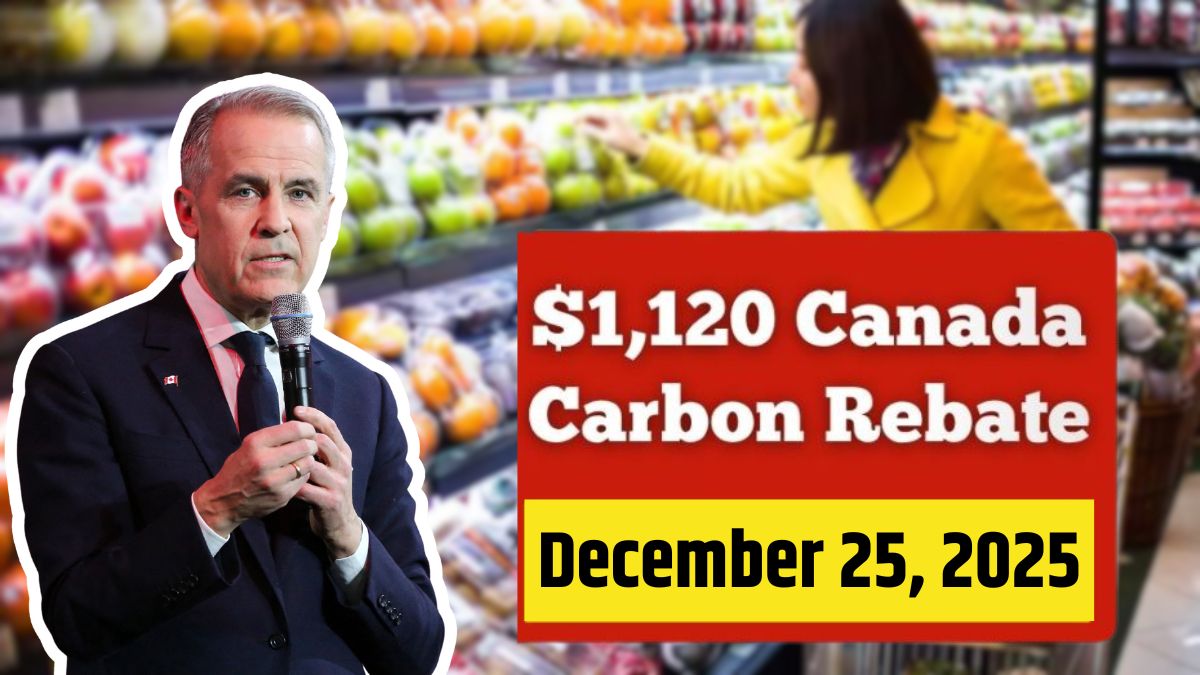
In 2025, Canadian households will see higher Canada Carbon Rebate (CCR) payments, with some families receiving up to $1120 a year. This tax-free quarterly payment is designed to offset the rising cost of carbon pricing while returning cash directly to Canadians—especially those hit hardest by fuel and heating expenses.
The CCR is a crucial part of Canada’s climate strategy, but its value goes beyond policy. It puts real, spendable money into household budgets, with increased support for rural communities that rely more on fuel and heating due to long travel distances and limited transit access.
Here’s a full breakdown of how the 2025 CCR works, how much you could get, and why it’s more than just a rebate—it’s climate action in your wallet.


What Is the Canada Carbon Rebate (CCR)?
The Canada Carbon Rebate (formerly known as the Climate Action Incentive) is a federal government payment that helps Canadians cope with the cost of carbon pricing. Instead of paying more without compensation, households receive direct payments every quarter, with amounts adjusted based on:
- Province of residence
- Household size
- Rural or urban location
In most cases, households get more money back than they pay in carbon pricing costs, making the CCR a powerful tool for both affordability and emissions reduction.
What’s New in 2025?
The CCR program has existed for several years, but 2025 brings important updates:
Latest Stories
 Canada Grocery Payment 2025- Eligibility, CRA Process and How to Check Your Status Online
- Increased payment amounts across all provinces
- 20% rural supplement for eligible residents
- Automatic payments via direct deposit or mailed cheque
- No application required—eligibility is based on your 2024 tax return
- Payment adjustments to reflect increased federal carbon pricing
These updates are designed to make the rebate more generous, timely, and effective at offsetting costs while keeping public support for carbon pricing strong.
How Much Will You Get? (CCR Payment by Province)
The amount you receive depends on your province and household size. Here’s a summary of quarterly payments in 2025:
| Province | Individual | Couple | Family of 4 | Rural Supplement |
|---|---|---|---|---|
| Alberta | $140 | $210 | $280 | +20% |
| Ontario | $110 | $165 | $220 | +20% |
| Manitoba | $120 | $180 | $240 | +20% |
| Saskatchewan | $130 | $195 | $260 | +20% |
| Nova Scotia | $100 | $150 | $200 | +20% |
| Newfoundland | $105 | $157 | $210 | +20% |
Example: A family of four in Alberta will receive $280 every quarter, totalling $1,120 annually. If they live in a rural area, they get an additional 20%, bringing the total to $1,344 per year.
Latest Stories
 Canada Disability Benefit Starts December 2025-Full Eligibility Rules and Payment Dates
Who Is Eligible for the Canada Carbon Rebate in 2025?
You qualify for the 2025 CCR if:
- You are a Canadian resident and filed a 2024 income tax return
- You live in a province where the federal carbon pricing system applies
- You are not exempt from carbon pricing due to occupation or residency type
Rural households automatically receive the extra 20% if they live in areas classified as rural by the CRA.
There is no need to apply. Payments are processed automatically based on your tax return, so ensure your 2024 taxes are filed on time.

Canada Carbon Rebate Payment Dates (2025–2026)
The CRA will issue CCR payments every quarter on the following dates:
- July 2025
- October 2025
- January 2026
- April 2026
If you have direct deposit set up, payments arrive on the exact date. Mailed cheques may take up to 10 business days, depending on your location.
You can check the status of your payment in your CRA My Account portal.
Latest Stories
 One-Time $2,200 Support Payment in Canada – Direct Deposit for Seniors, Low-Income and Disabled Canadians
How the Rebate Helps Canadian Households
The CCR is more than just a financial perk. It helps cover real-world costs driven up by carbon pricing, including:
- Heating bills in the winter
- Gasoline expenses for commuting
- Food prices, which are affected by transportation and fuel costs
For many Canadians—especially in rural and northern communities—these costs add up fast. The rebate puts money back where it’s needed most, easing financial pressure while keeping the environment in focus.
Rural Supplement: Why It Matters
Canada’s rural communities often face:
Latest Stories
 $200 Monthly Benefit for Canadians With Disabilities — Full Eligibility Rules and Payment Dates
- Longer travel distances
- Higher fuel consumption
- Fewer public transit options
The 20% rural supplement is designed to recognize these challenges. If your family of four qualifies in Saskatchewan, you’ll get $260 + 20% = $312 per quarter, or $1,248 per year.
This bonus ensures fair treatment of households that pay more out of necessity rather than choice.
How Carbon Pricing and CCR Work Together
The carbon pricing system in Canada puts a cost on fossil fuels like gasoline and natural gas. This creates an incentive to reduce emissions and switch to cleaner alternatives.

But the government understands that everyday Canadians still need time and resources to adjust. That’s why most of the money collected through carbon pricing is returned to households through the CCR.
Polluters pay, and citizens are rewarded—especially those who take steps to lower their carbon footprint.
Environmental Goals Supported by CCR
Beyond household support, the CCR plays a key role in Canada’s climate strategy:
Latest Stories
 Canada’s New 2025 Work Rules Every International Students – Work in Canada While Studying
- Encourages energy-efficient decisions
- Reduces dependence on fossil fuels
- Promotes cleaner heating and transportation choices
- Helps Canada meet national emissions targets
By rewarding households and holding polluters accountable, the system builds public trust and ensures progress doesn’t stall due to affordability concerns.
How to Ensure You Receive Your CCR Payments
To receive your Canada Carbon Rebate without delay:
- File your 2024 tax return – Even if you have no income, you must file to qualify.
- Set up direct deposit with the CRA – This ensures fast and secure delivery.
- Update your address – Especially important if you’re in a rural area.
- Create or log in to CRA My Account – Monitor payment history and updates.
If you’re a newcomer or unsure about your eligibility, you can contact the CRA helpline for support
Latest Stories
 Canada’s $3,716 Monthly Pension in 2025 – Check Eligibility Details and Payment Dates
Why the CCR Is a Model for Climate Affordability
The Canada Carbon Rebate proves that climate policy doesn’t have to hurt household budgets. It shows that:
- Carbon pricing can drive change
- Citizens can benefit financially
- Rural and lower-income households aren’t left behind
As carbon prices rise in future years, the CCR is expected to increase, continuing to protect Canadians from higher fuel costs while moving toward a low-emission economy.